
We had everything lined up perfectly. Pre-production was sorted, the filming schedule looked solid, we had reliable contacts on the ground, top forest rangers and porters booked, and the crew was in high spirits. On paper, everything was ready—we were set to roll the cameras and capture some incredible scenes. But as anyone in field production knows, reality doesn’t always follow the script. Sometimes it's worse than planned... but other times, it's surprisingly better.
This time, we were in the heart of Leuser National Park, on the island of Sumatra, together with a crew from Chester Zoo, UK. The mission: to shoot a documentary about tropical rainforests—using a 360-degree camera. It was my first time working on a 360 project, and I was beyond excited.
Our first day was mostly recce and test shots. But the sky was dark and heavy with clouds, and the light just wasn’t good. Still, instead of complaining, the producer-director and the cameraman just said, “Tomorrow will be better.” And thankfully, it was. The next morning, the sky cleared, and we got some beautiful forest footage.
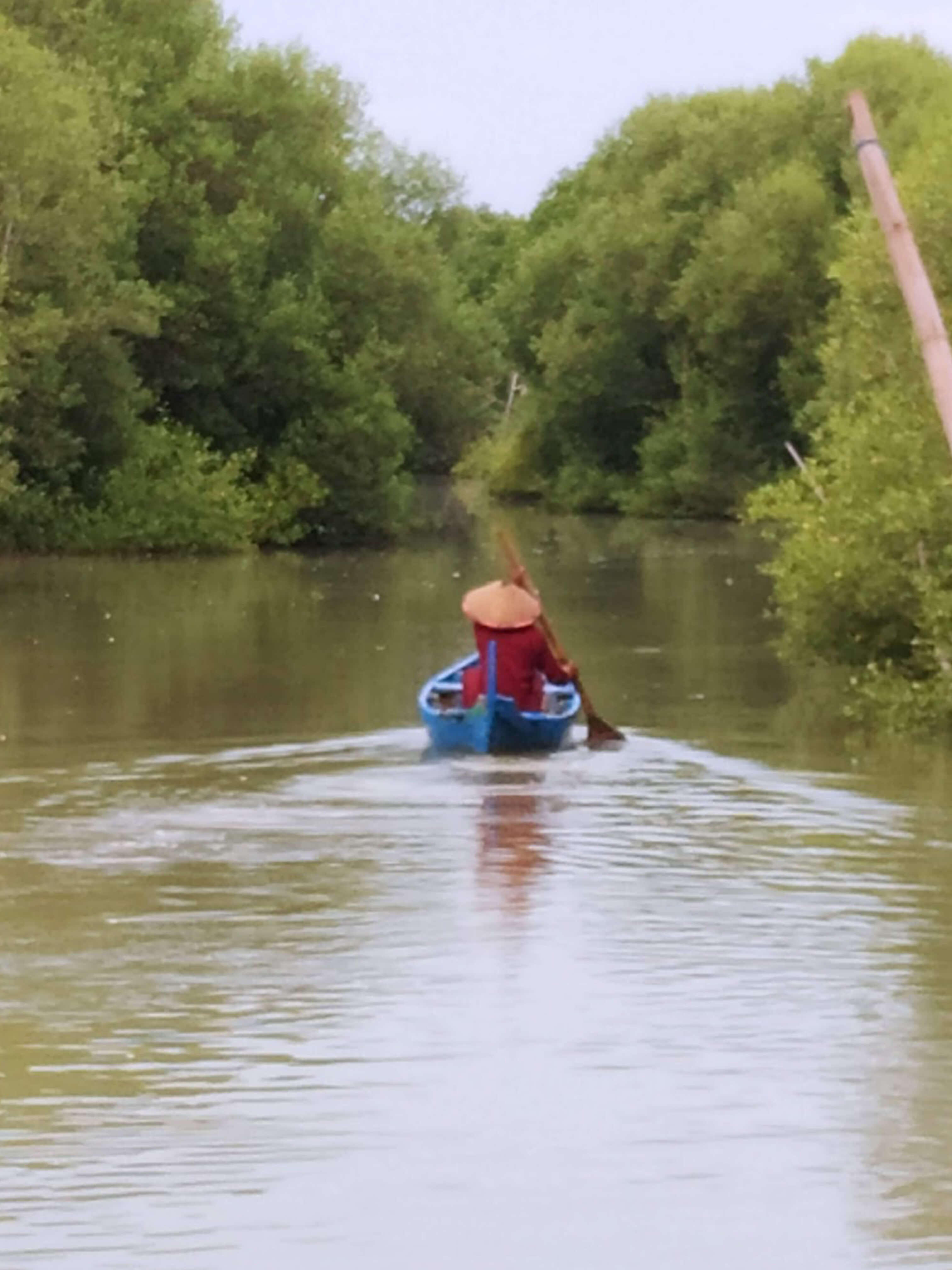
Next stop: the river. According to my local contact, this river had calm spots where we could film from a boat. But “calm” turned out to be a very subjective word. What the locals considered calm... well, let’s just say it didn’t match the director’s idea of “safe and steady.” That’s the thing with adjectives—they mean different things to different people.
The director looked at me and asked, “What about the other river at our next location?”
We had originally planned to shoot in two locations, both of which had rivers. As the fixer, it’s my job to provide clear, accurate information so the crew can make good decisions. But over time, I’ve learned something important—raw info straight from the field doesn’t always help. It can lead to more confusion. Sometimes, it’s better for me to filter that info first, think like a producer-director myself, then present a more useful version to the team. It saves time, avoids endless discussions, and keeps the crew focused.
Back to the situation—filming on that first river wasn’t going to happen. And to make things worse, the cost of including elephants in the shoot turned out to be way beyond the budget. We were stuck.
But my instincts kicked in. I remembered a chance meeting a few days earlier in the city while sorting out filming permits. An old friend had introduced me to the head of the Elephant Patrol Site in the National Park. I gave her a call and explained our situation. To my surprise, she had an almost perfect solution: a site with both a calm river and elephants, in one location.
Now the only hurdle was getting permission to switch filming sites. I called the head of the National Park, and he gave us a green light—as long as we coordinated with his local team.
“We found a better location,” I told the producer. “Same river shots, elephants too—but full disclosure, I haven’t seen it myself yet. Still, based on the source, this sounds much more promising than where we are now.” I laid out the risks: we’d be working with fresh intel, dealing with a tight schedule, possibly bad weather, and a long drive to get there.
The producer didn’t hesitate: “Let’s do it.”
Five hours later, we arrived at the new site—at night, by the riverbank, deep in the forest. To be honest, cruising rivers at night in the jungle wasn’t something I’d done before. Calm waters like these are often crocodile territory. Our local guide didn’t want to take us upriver in the dark, but eventually, he found a boatman who was willing. Under the faint light of a young moon, we glided quietly upstream and made it safely to the basecamp.
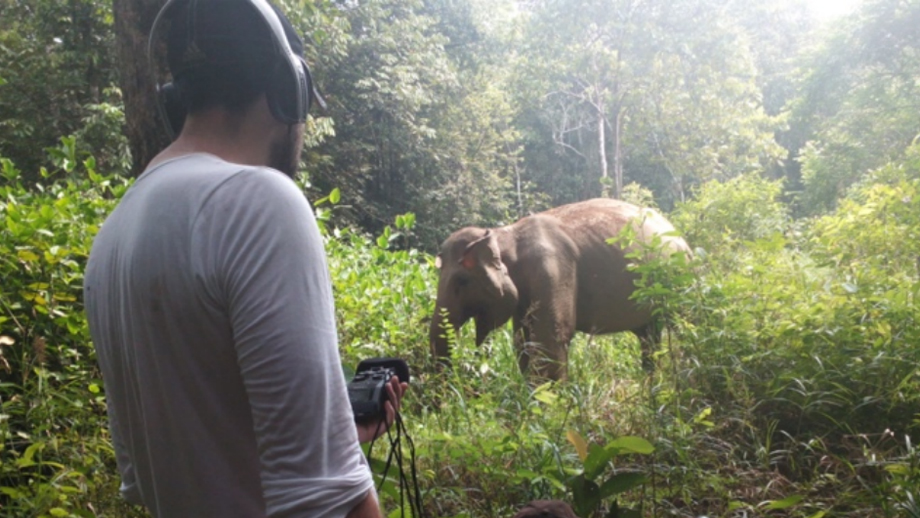
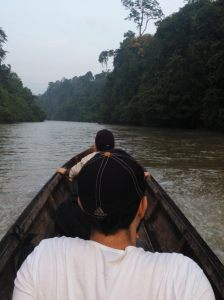
At sunrise, we headed out to scout the river. The water was perfect, the forest looked stunning—and the shoot went off without a hitch. After capturing the river scenes, we returned to film the elephants and the surrounding jungle. We wrapped everything up in one day. It was a huge win.
This last-minute location saved the whole project. It didn’t exist in our original plan, but sometimes the best places are the ones you find when everything else falls apart. That day, I remembered an old saying: "Be persistent and determined—the best things often come last."
But what stood out to me most from this shoot wasn’t the location or even the footage. It was the crew’s attitude. They were flexible, adaptable, and open to change. No one panicked. No one threw blame. They trusted each other—and that trust made all the difference.
So here’s to successful shoots: Stay flexible. Stay adaptive. And most importantly, trust your team.
Happy filming!