
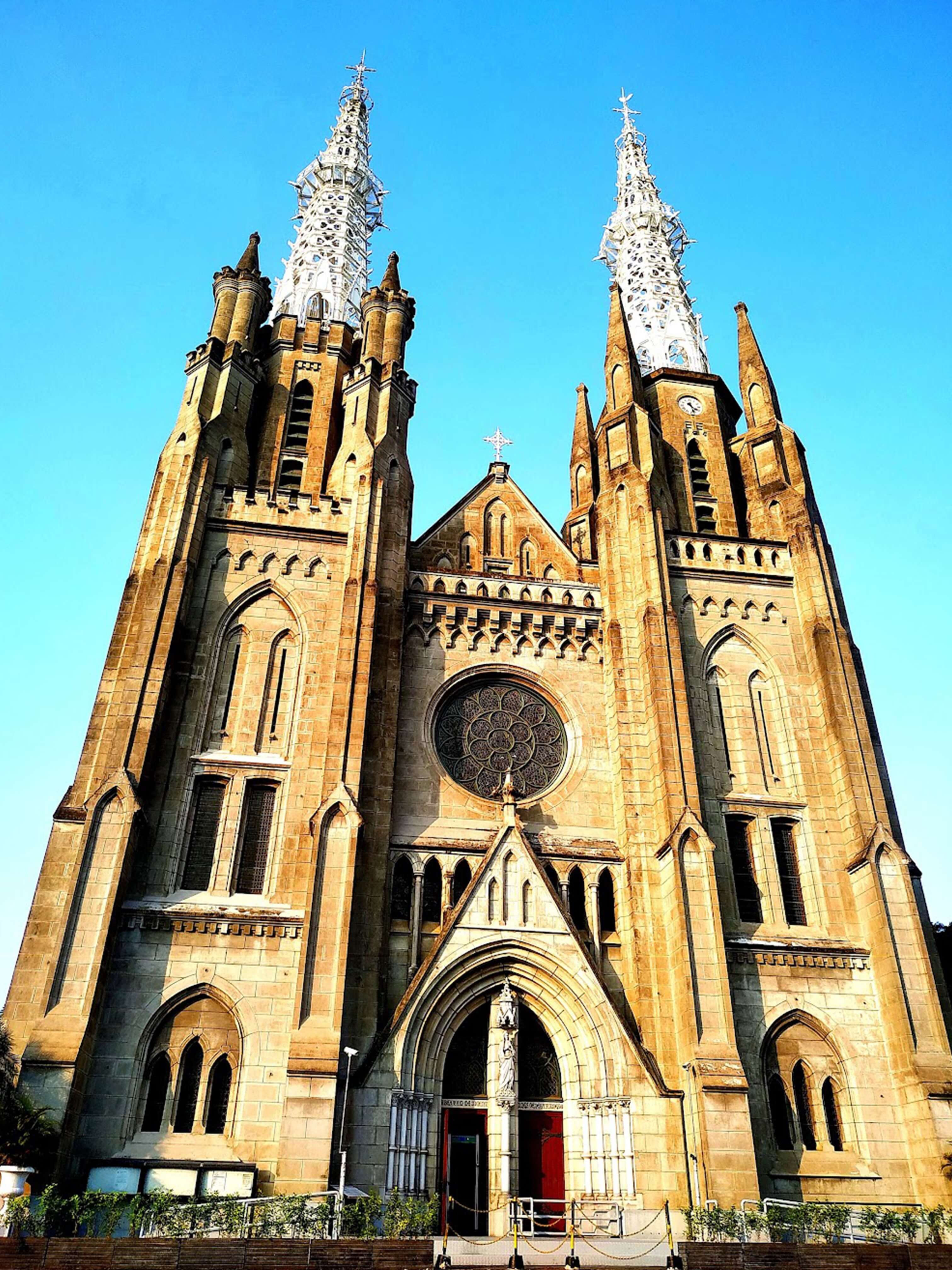
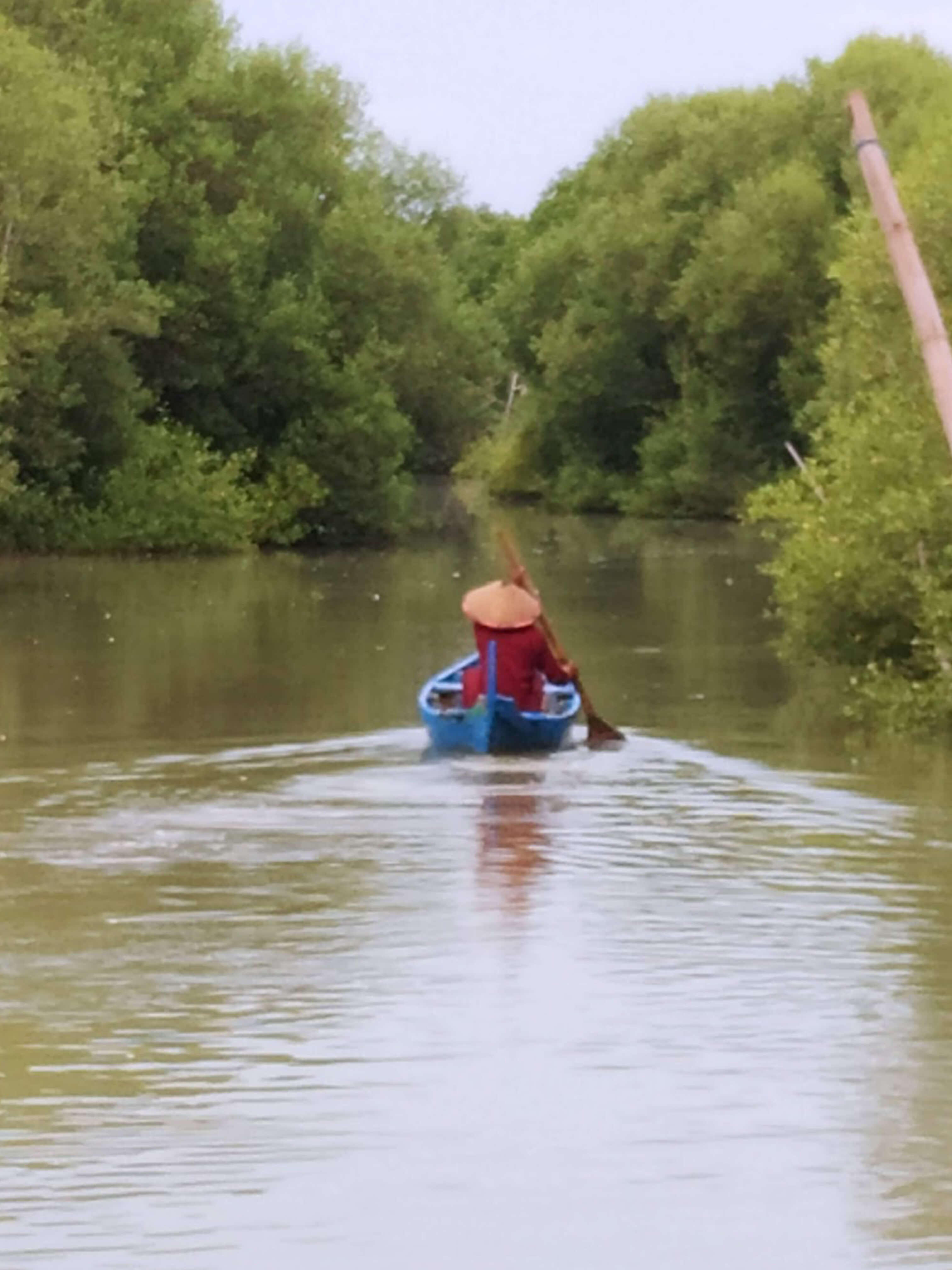

Recce, from the word reconnaissance, means scouting or surveying the location directly on the ground. A recce is very important, even mandatory, for various reasons: to understand the conditions and terrain that will be faced during production, the distance from the nearest airport or town, the state of the roads, whether regular cars or 4x4 vehicles are required, the availability of lodging, nearby restaurants, and so on.
A recce is also vital for anticipating emergencies: the distance to the nearest hospital or medical facility, the presence of nearby police or security posts, the quickest route to the airport, or the quality of phone/internet signal. In documentary production, a recce is also crucial to meet profile subjects or interviewees ahead of filming.
Indonesia is vast. Many remote islands, mountains, forests, and rural villages require long travel times and complex logistics. Ideally, before shooting, a proper recce should always be conducted—especially when filming in remote areas or locations far from the city, where logistics become crucial.
But what happens when a recce is impossible?
This article explains how Indonesian Fixer manages recce-free productions while keeping projects efficient, safe, and on schedule.
Based on our experience, many documentary productions handled by Indonesian Fixer in remote regions have been carried out without an on-site recce. The primary reason is budget constraints, as conducting a recce can be expensive—especially in Indonesian archipelago, where many remote areas are extremely difficult to reach. Reaching a filming location from Jakarta can take an entire day of travel.
With such limitations, a recce still needs to happen, but through alternative methods that don’t require Indonesian Fixer to physically visit the location. The following are a number of strategies implemented by Indonesian Fixer:
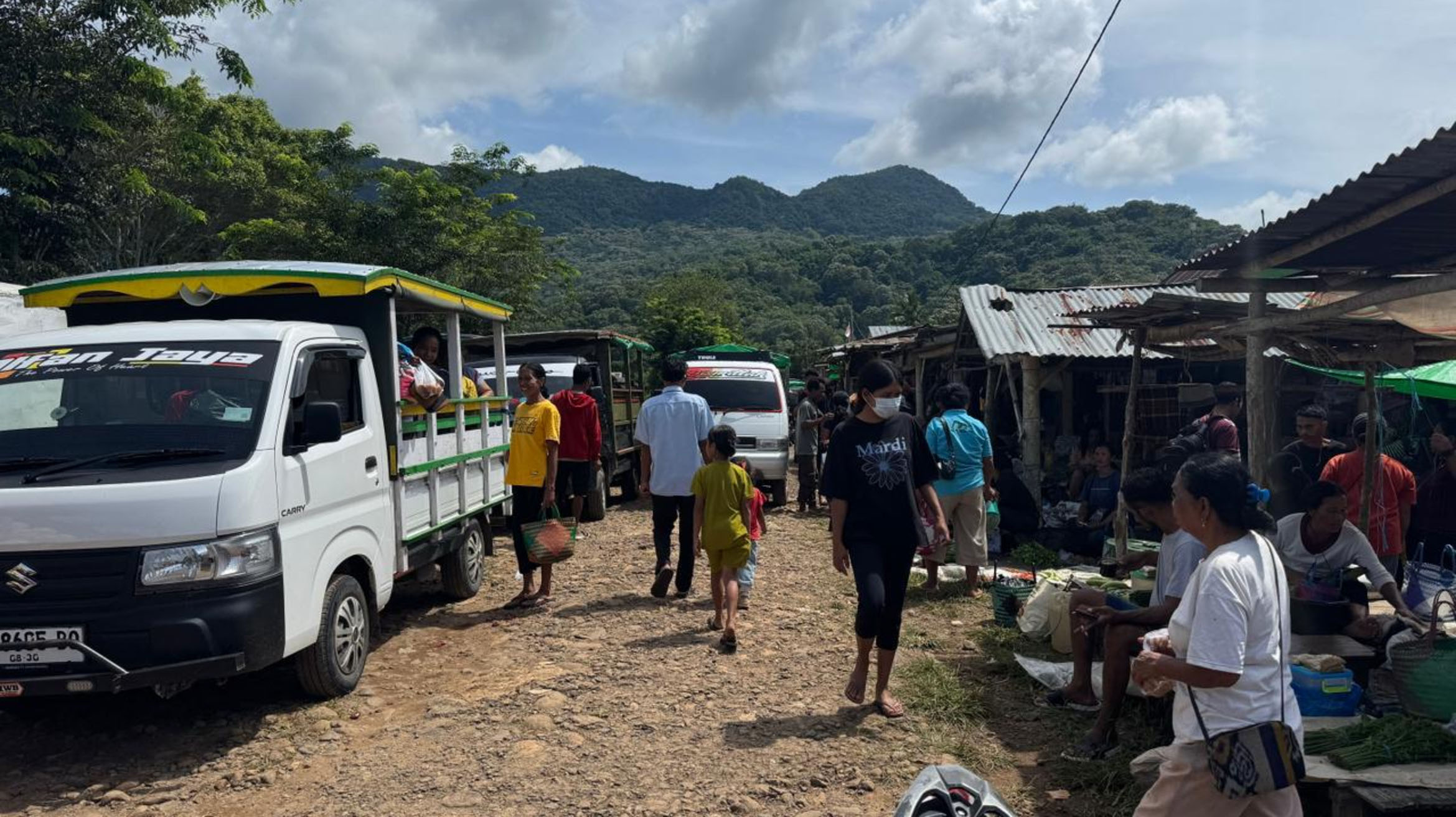
One common method Indonesian Fixer uses is contacting the subjects or profiles who will be filmed. Through them, the team can gather essential information. The challenge is that subjects are often not local residents who fully understand the area. They also may not grasp what filmmakers need—specific locations required for the shot list, types of footage (drone shots, telephoto lens, wide angles, lighting complexity), and so on. What they imagine often differs from what the production actually requires. And due to time and practicality, it’s impossible for Indonesian Fixer to explain every technical requirement in full detail.
In many cases, though, subjects still provide helpful information. For example, during a production in a remote part of Flores, eastern Indonesia, a subject shared information about lakes, a weekly market, forest access points, and a village homestay. However, he failed to mention that the road to the location was extremely bad—so damaged that cars could only go 6 km/h. Over the phone, he merely said it was “damaged,” without explaining the severity. Fortunately, Indonesian Fixer’s team had rented two sturdy vehicles with experienced drivers. A production manager had previously insisted on using one large van to save costs—had that suggestion been followed, the crew would not have reached the location and would have lost an entire shooting day arranging a replacement vehicle from a town four hours away. To everyone’s surprise, the subject commented, “Good thing you used that car. The previous TV crew had to be dropped halfway because the driver couldn’t make it to the village.” OMG!
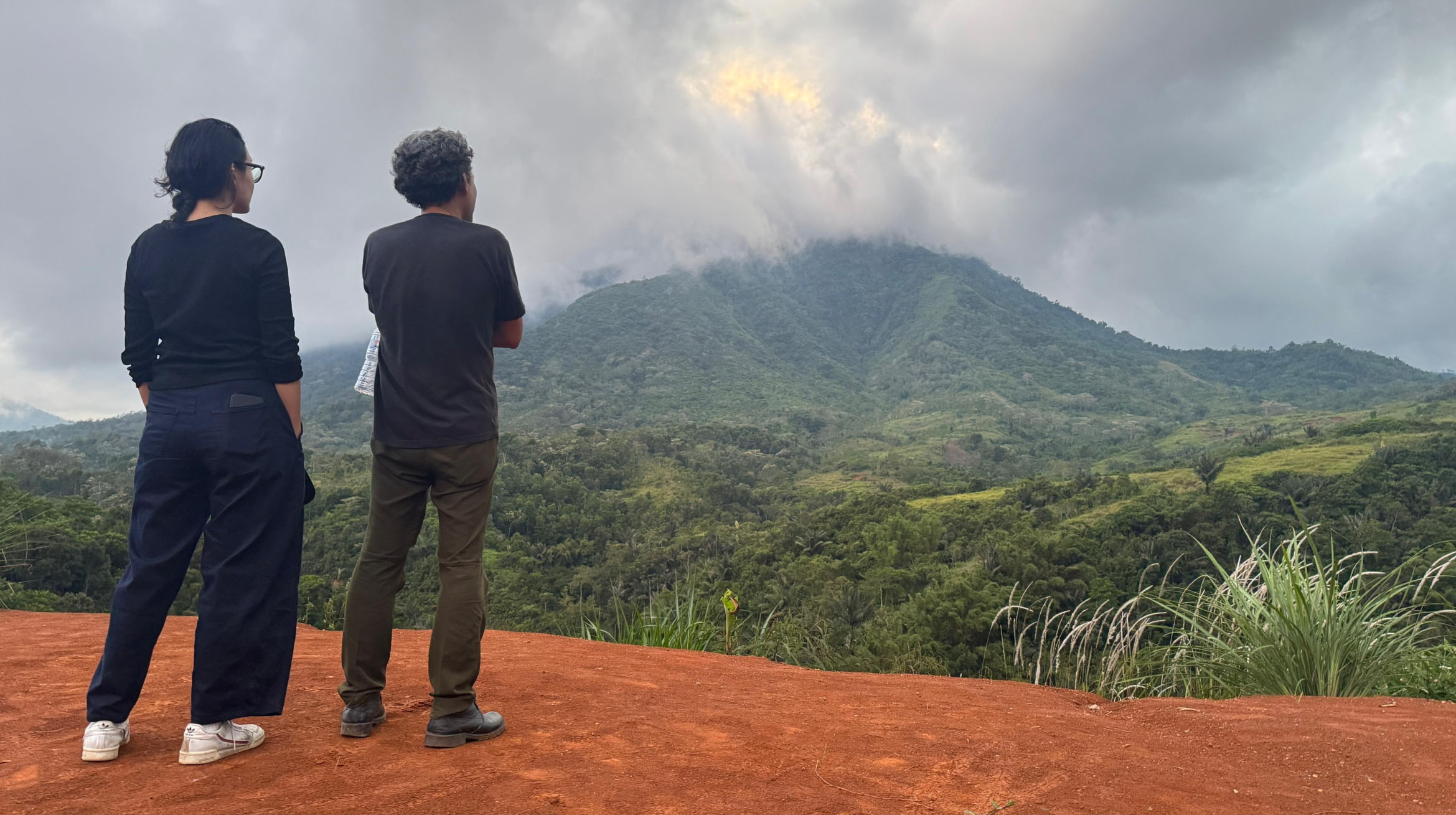
Another cost-effective method Indonesian Fixer uses is assigning someone who lives near the location to conduct the recce. This is often the most logical and promising approach because the local contact can serve as eyes and ears on the ground. The question then becomes: who is the right person, and how competent are they? Local journalists typically have the right qualifications, especially when given clear instructions. Indonesian Fixer frequently uses this method. With more than a decade of experience working across national news networks, Indonesian Fixer has built strong connections with contributors and local journalists in nearly every Indonesian province—even in district-level towns. Through this network, Indonesian Fixer can reach deeply remote regions where access is extremely limited. However, even this method cannot fully replace the benefits of being on the ground personally.
While the internet offers abundant information, it does not always contain the most recent or context-specific details. For instance, a global viral story about a child smoker from 20 years ago required Indonesian Fixer to locate and film him. The challenge: he lived in a remote Sumatra village, and the client had only two days to film—including travel time. The client also needed precise scheduling for crew movements and interviews with other villagers. Thus, Indonesian Fixer needed not only a recce, but a full production plan and casting support. A competent local person was assigned to simulate travel routes, gather accurate logistics, and identify additional subjects. This became the most effective approach.
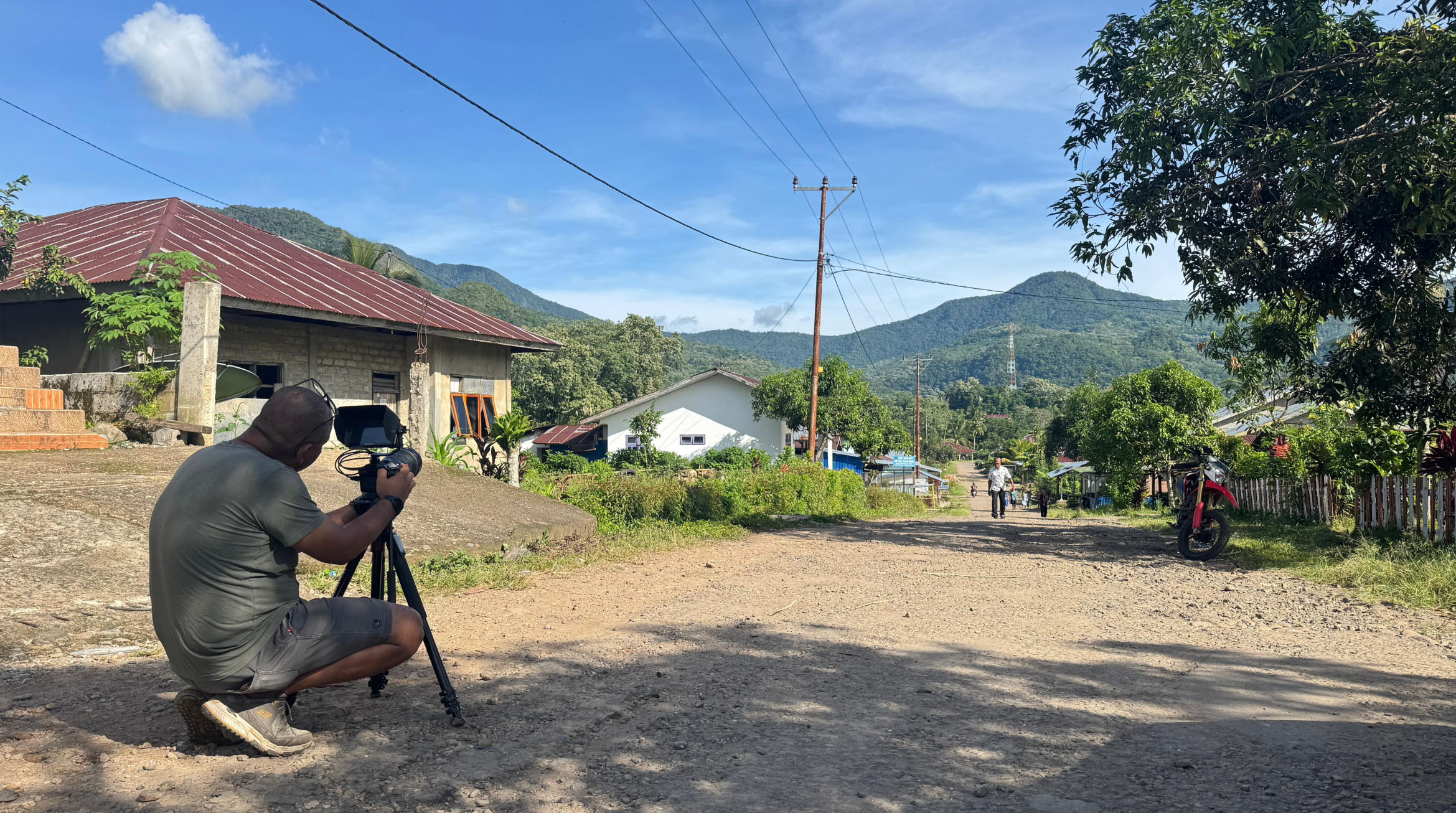
Another method is coordinating with local government officials, who usually understand the terrain and communities better than anyone. Indonesia’s administrative structure begins at the neighborhood level (RT/RW), then village heads, sub-district heads (camat), regents, and governors. In remote areas, the most accessible or relevant official becomes the point of contact. Bureaucracy can be challenging, but once connected with the right person, local officials can be extremely helpful—especially when the project relates to government or community matters. Communication may not always be smooth, but they often provide invaluable insights.
Indonesian Fixer has used this method multiple times. During a recent project in remote Kalimantan, a sub-district head provided extensive logistical information, flagged potential obstacles, and introduced Indonesian Fixer to key community members who helped identify the ideal profile for the film. Although phone signals were unreliable, the team gained a clear understanding of the area and potential subjects. As a bonus, having good relationships with local authorities usually makes on-ground movement much easier.
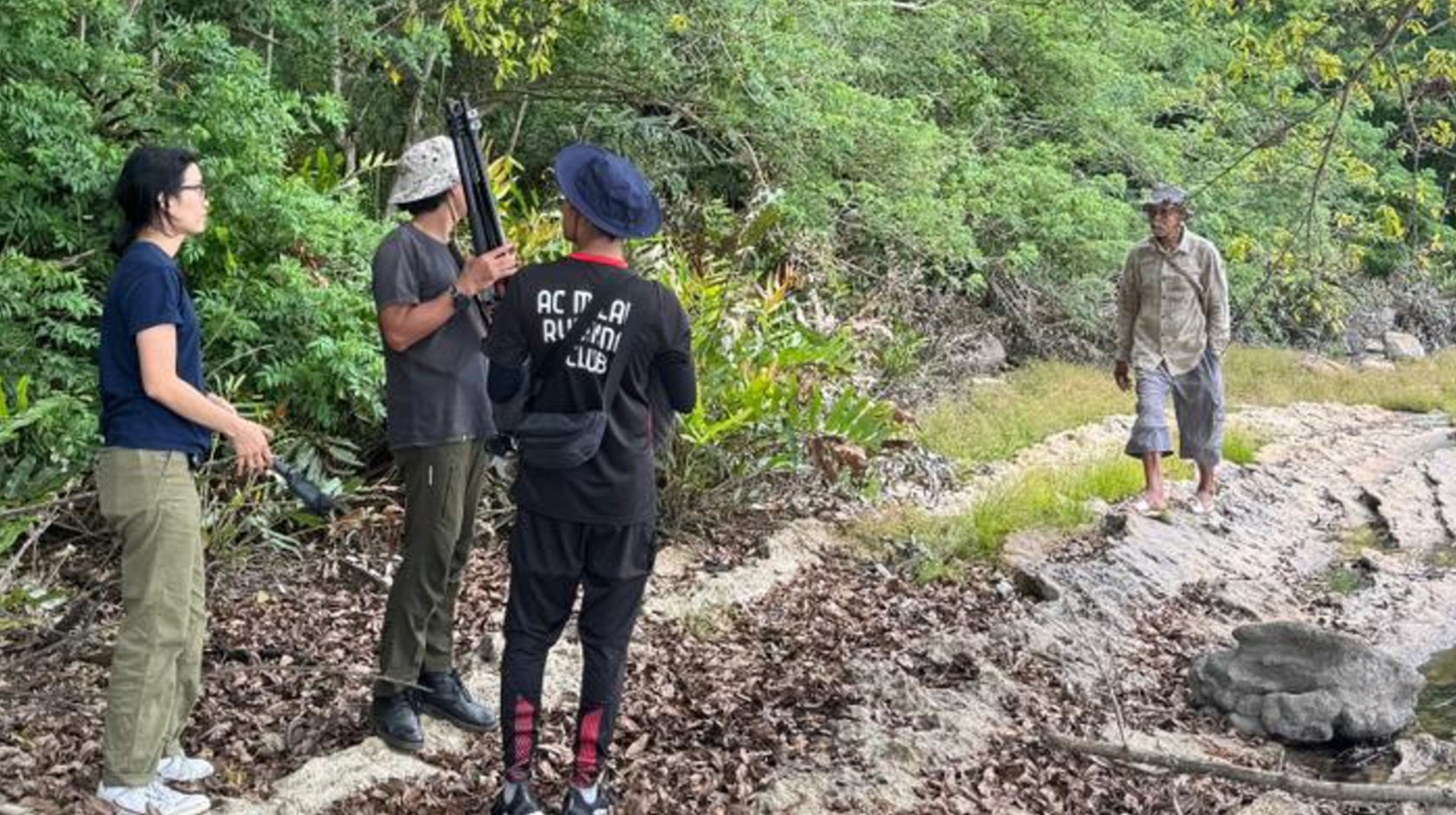
The other effective approach for recce without visiting the location is collaborating with NGOs that have ongoing programs in the area. Environmental NGOs, women’s empowerment groups, and Indigenous community organizations often have local champions working on the ground. These individuals are familiar with local communities and are usually capable of conducting recce tasks according to Indonesian Fixer’s instructions. The challenge is finding NGO personnel who can fully dedicate time to the project, as they typically have their own responsibilities.
In many environmental documentary projects in remote regions, Indonesian Fixer frequently collaborates with local NGOs. Their access to communities—especially those involved in environmental cases—is unmatched. In one notable instance, Indonesian Fixer successfully coordinated a multi-location investigative documentary in extremely remote locations without ever conducting an on-site recce.
It’s important to note that all of those methods depend on the availability of phone signal—either in the village or at least in the nearest populated area. Without phone access, communication is impossible. Unfortunately, many remote regions in Indonesia still lack reliable signal. Ironically, these are often the most compelling locations for filmmaking due to their landscapes or stories. In several cases, Indonesian Fixer could only reach contacts when they traveled to the nearest town.
In the end, many of Indonesian Fixer’s documentary productions are carried out without a proper recce due to the realities of working in remote Indonesia. This means relying on intuition and years of experience to anticipate on-ground conditions. At the same time, Indonesian Fixer prepares thorough backup plans to address potential mismatches between the shot list and real-life conditions. For example, during a coastal Sumatra production, the local contact disappeared two days before shooting. The team still traveled four hours from the nearest city without knowing who could be filmed. Indonesian Fixer estimated one to two hours to find a fisherman profile, rent two boats, and arrange logistics. Thankfully, the client understood the situation, and the shoot went smoothly with profiles aligned with the film’s treatment.
Based on extensive experience, shooting without a recce isn’t always frightening. Often, it brings pleasant surprises and unexpected elements that enrich the final film. The key is remaining calm, open-minded, adaptive, and flexible toward whatever may unfold on the ground.
Whether you are filming in Jakarta, Papua, Borneo, Sumatra, or remote Indonesian islands, Indonesian Fixer provides:
